Accounting / Fixed Assets / Cash and Financial Management
Yanase Corporation
Streamlining borrowing and disbursement management operations by fully utilizing "HUE Classic Cash Management" In addition, the start of using the "centralized payment" function has thoroughly reduced transfer operations for affiliated companies.

Yanase Co., Ltd. is developing four businesses - new car sales, used car sales, after-sales service, and financial insurance - utilizing a network of more than 300 locations in Japan, with the aim of realizing a "rich car life" for its customers. Even in the current once-in-a-century era of major change facing the automotive industry, Yanase is boldly taking on the challenge of creating new value in anticipation of change in order to provide customers with an even higher quality of car life.
Yanase Co., Ltd. decided to renew its accounting system when its server maintenance ended, and introduced the following products from the HUE Classic accounting series about 10 years ago.
HUE Classic Financial Management
・HUE Classic Business Management
・HUE Classic Assets Management
・HUE Classic Cash Management HUE Classic Cash Management"
In addition to the "centralized payment" (payment agency and netting) function of "HUE Classic Cash Management", the use of the expense reimbursement system "HUE Expense" is newly started in 2023.
In this article, we will introduce the background of the use of "HUE Classic Cash Management" (hereinafter referred to as "CCM") and the reason why the company has newly started using the "centralized payment" function.
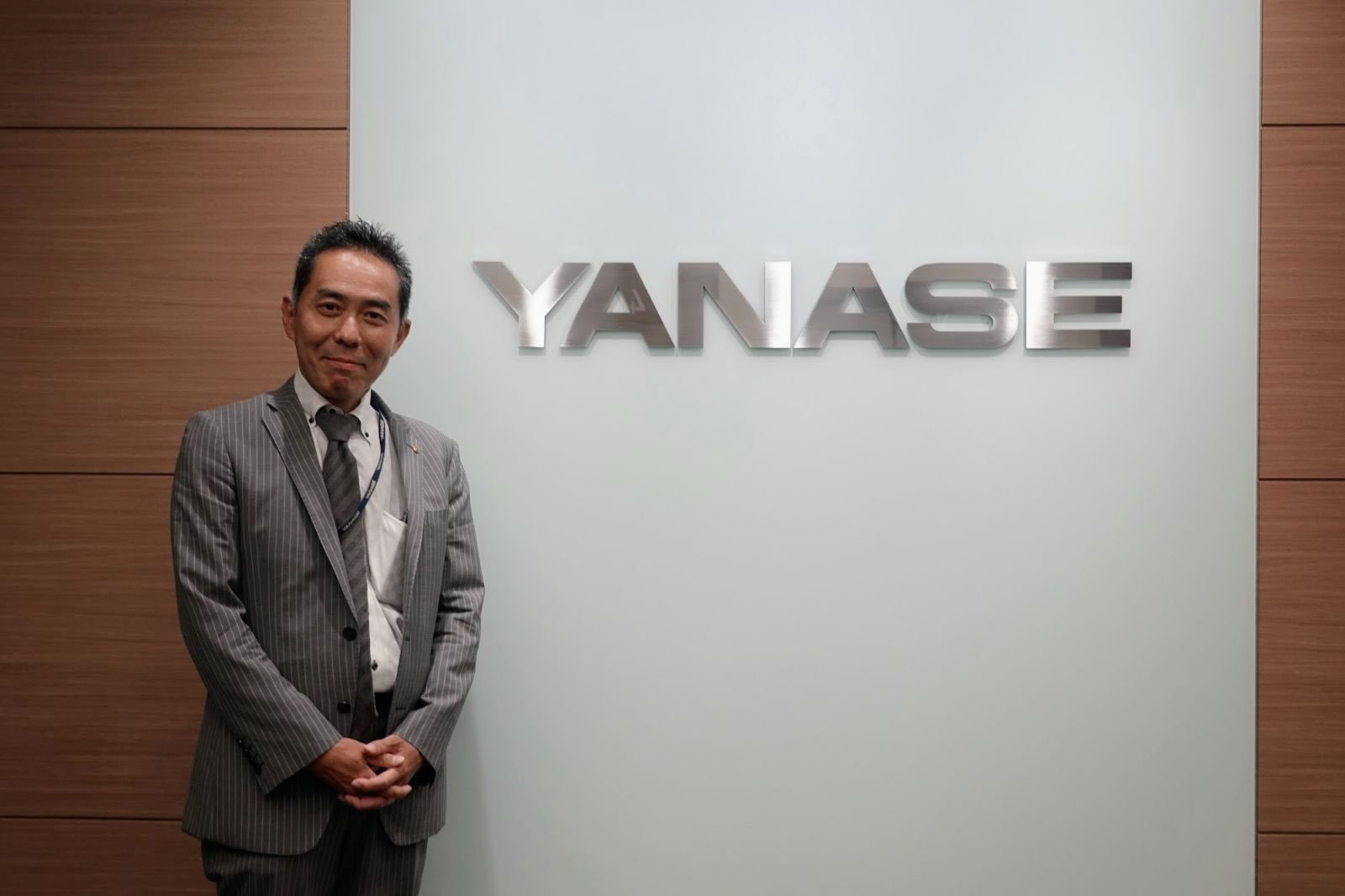
Interview participant: Mr. Yutaka Yamada, Manager, Cash Section, Accounting and Finance Department, Yanase Co.
Reducing the workload of head office finance creates the foundation to support the field.
Please tell us the background behind your selection of -CCM. What were your impressions during the implementation period?
We introduced CCM about 10 years ago when we decided to replace our accounting system at the end of server maintenance. Our accountant at the time was aware of the existence of "HUE Classic" and selected it because of its abundant functions and cost advantages for long-term use, which led to its introduction. I think that's why CCM was so flexible in responding to our various requests. We decided to utilize most of the functions of CCM, and while it is multifunctional, it has many masters and is complicated, so it took us quite some time to understand it.
-Please tell us about the effects of the introduction of CCM.
CCM is used by a limited number of people, 20 to 30 people nationwide at most, since they are in charge of head office finance and accounting of each affiliated company. Among them, only a small number of people in the accounting and finance department are in charge of borrowings and cash receipts and disbursements for affiliated companies. Therefore, considering the cost and effort involved in implementing a system, we had to put off the consideration of systemization until later. However, the introduction of CCM has, for example, simplified complicated tasks such as the preparation of loan repayment schedules, interest calculations, and journal entries. In addition, the cash management function, which allows management of account deposits and withdrawals, is also used in the accounting of affiliated companies.
The most significant effect of the introduction of HUE Classic is that the work related to the management of borrowings, which used to take one or two staff members about an hour to complete, can now be completed in a matter of minutes. Now that we have been using HUE Classic for a long time, it is difficult to compare our previous operations, but we can say that our operations are stable and well controlled even after a number of years. Even if there is a change in the person in charge, we are able to handle it smoothly.
-What features of CCM do you find particularly useful?
This is a cash management function that can automatically create journal data from deposit and withdrawal statements. Each Yanase Group store handles cash on a daily basis, and in the past, cash deposits were made to the bank account nearest to each store, and funds were concentrated from each account to the head office account. Three years ago, we changed this practice to have many stores deposit funds directly into the head office account from ATMs at convenience stores, etc., using special deposit cards (about 100 deposits per day), and to prevent even one case of deposits and withdrawals not matching the ledger, we use the automatic journalizing function of the cashiering management to manage the deposits and withdrawals. We believe that it is the role of the head office to assist the field operations, so we will continue to reduce the operational load of the head office while improving the efficiency of the field operations.
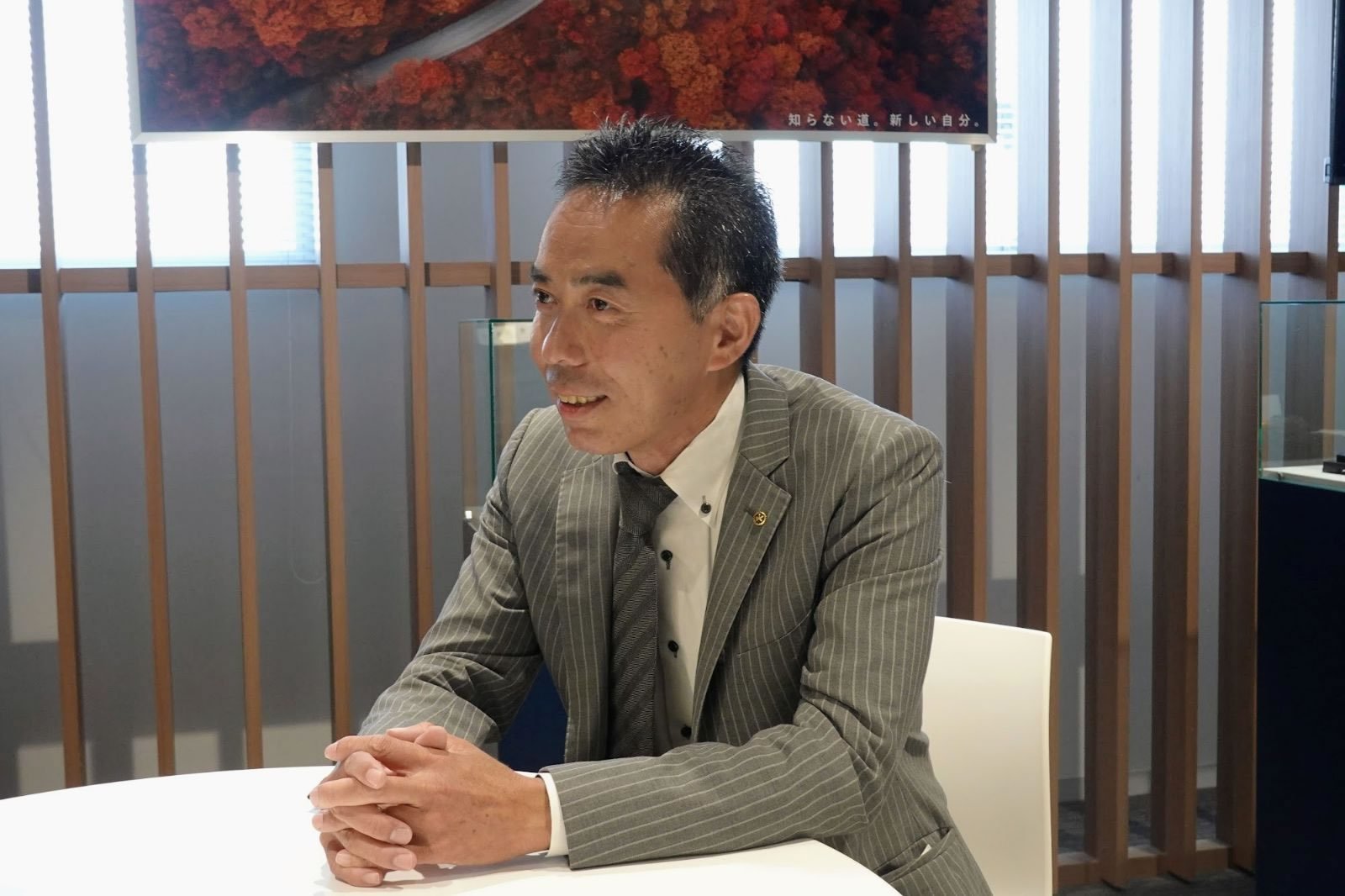
Payment Concentration" enables controlled concentration of funds and improved operational efficiency.
-Please tell us about the background of your decision to introduce the additional "centralized payment" function.
We have been using the bank's CMS (Cash Management System) and other systems to improve the cash efficiency of the entire group. We were examining the room for efficiency improvement to see if there was anything else we could do. In the process, we focused on the fact that each company has at least one person in charge of daily payment operations, and everyone performs the same task every day. This led me to consider the possibility of consolidating operations related to general transfers for affiliated companies at the head office to improve capital efficiency and reduce workload. In this situation, when I was checking out the functions of CCM myself, the "Payment Concentration" menu caught my eye, and I contacted Works to see if this could be used. After receiving materials and explanations from Works, I realized that we could achieve what we wanted to do, and we decided to start using the system in April 2011.
The service provided by the bank had a function similar to CCM "payment concentration" (payment agency), but it was necessary to manually consolidate the FB data for general transfers created by each company involved using the bank's system. However, we wanted to avoid this because of control issues and the risk of making operations more complicated than they are now, such as requiring a data confirmation and approval flow. We thought it would be simpler and better to automatically collect general transfer FB data from affiliated companies, convert it to transfer data from the head office account in CCM, and send the data through the bank's system. As a result, the introduction of the "centralized payment" function eliminated the 10-15 minutes of work that used to take every day, leading to increased operational efficiency for the affiliated companies.
-What impressed you about the project to introduce the additional "Payment Centralization" function?
To check the progress of the project, we held bi-weekly 2-hour meetings with the Works staff. They were very helpful in assisting us with detailed scheduling, etc. and answering all questions quickly and accurately. We expected the setup process to be difficult, but since we were already using CCM, we were able to reduce the volume of master configuration to some extent, so the additional installation seemed much easier than a new installation, which had to be set up from scratch.
Works representative (left) and Mr. Yamada (right)
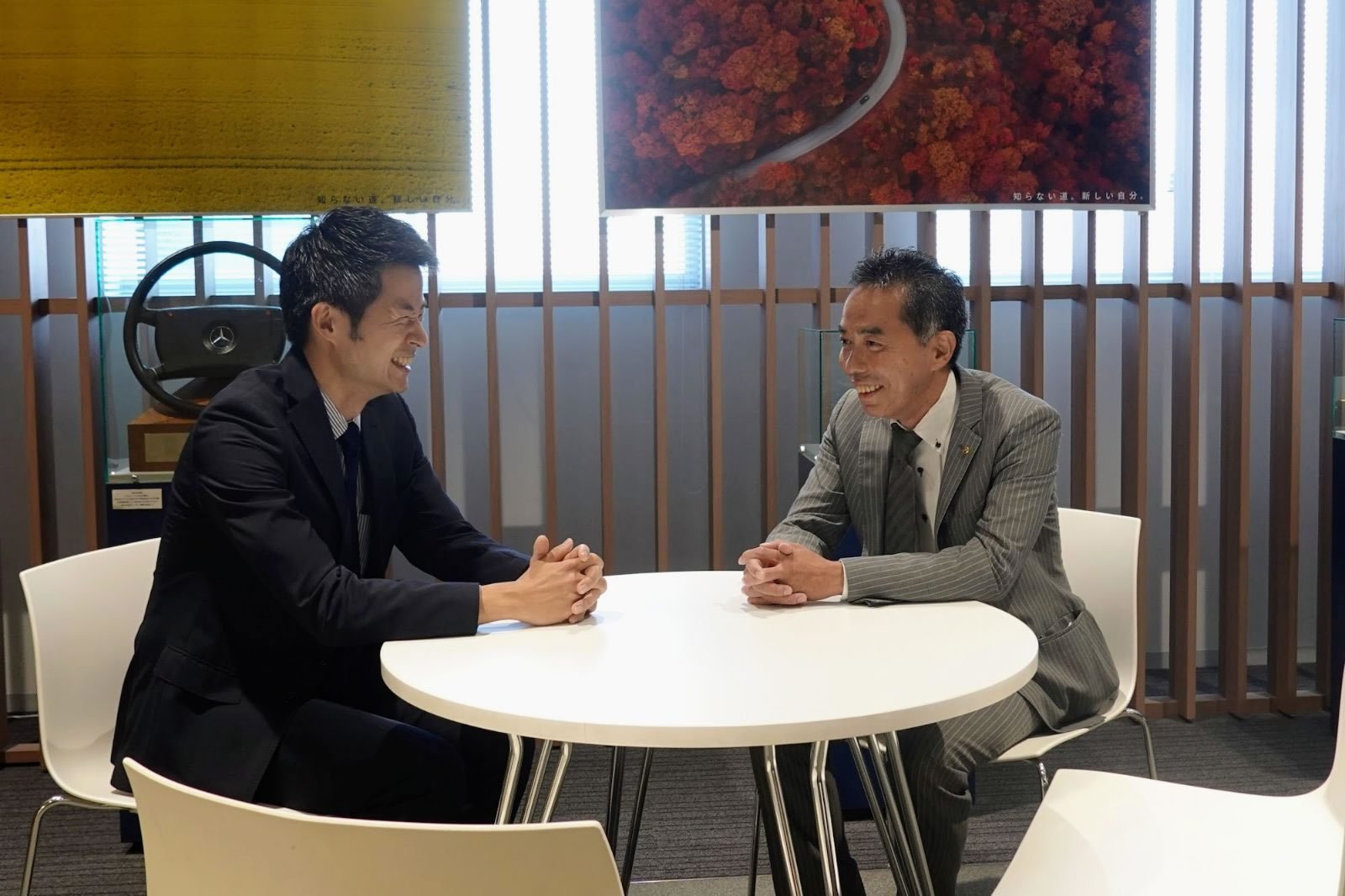
Promoting operational efficiency through full use of CCM
-What kind of company would you recommend using HUE Classic Cash Management?
As for borrowing and payment concentration, there are only a few people involved, so I think there is a high cost hurdle to implementing a system for this purpose. However, if you already have HUE or HUE Classic in place, you can easily start using this functionality, so I would recommend it to companies that have not yet adopted it. I think it is better to automate and streamline operations and reduce what can be reduced.
-What is your outlook for the future?
We have already used CCM to a great extent, and the Yanase Group is now in a situation where the system for improving capital efficiency through the use of CCM has become sufficiently robust. HUE Expense has just been introduced and deployed company-wide, and there is still room to expand the use of CBM.
*This article is current as of August 2023.
Related Case Studies
Nankai Electric Railway x WAP talks about the "overwhelming return generated by 'add-on zero ERP'".
Nankai Electric Railway Co.

Nankai Electric Railway introduces HUE DI and upgrades HUE, Building a Management Foundation that Continues to Adapt to Change
Nankai Electric Railway Co.
Inventory preparation man-hours drastically reduced. HUE" in a few hours
Huis Ten Bosch Corporation